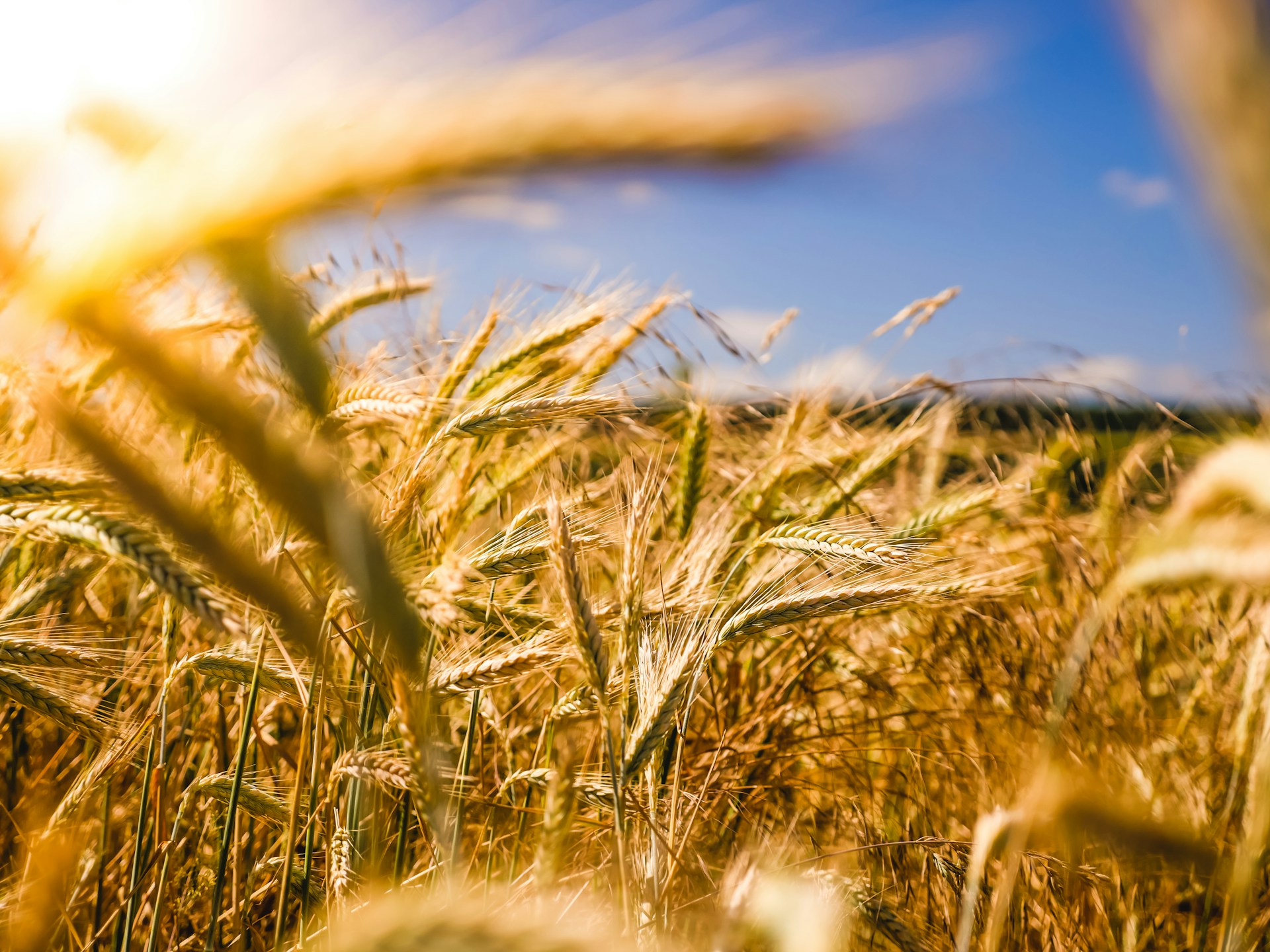
When most people think of organic or local food, fresh fruits and vegetables usually come to mind. But what about the staples that quietly fill your pantry — barley, flour, corn grits, wheat, and other grains? These humble ingredients form the foundation of our meals, yet they’re often overlooked when it comes to food quality and sourcing.
In today’s world of industrial agriculture, choosing local and organic grains is no longer a niche lifestyle choice — it’s a meaningful step toward healthier eating, more sustainable farming, and stronger local economies. Here’s why these everyday staples truly matter.
🌾 Grains: The Foundation of Every Kitchen
Grains are at the core of countless meals — from warm bowls of porridge and rustic breads to tortillas, batters, and baked goods. But industrial grain production often relies on:
- Heavy pesticide use
- Soil-depleting monoculture farming
- Long-distance shipping and months-long storage
This system prioritizes shelf life and volume over nutrition, flavor, and sustainability.
✅ The Organic Difference in Grains
Choosing organic grains means avoiding:
- Synthetic pesticides and herbicides
- Genetically modified organisms (GMOs)
- Chemical preservatives and additives
Organic farming focuses on soil health, crop rotation, and ecological balance, leading to:
- Cleaner, chemical-free grains
- Nutrient-dense products
- Better taste and texture in everything from barley powder to corn grits
🛒 Why Local Grains Are Worth It
Sourcing grains locally means:
- Fresher Products: Less time in transit and storage
- Greater Transparency: You can know the farm and farmer
- Lower Carbon Footprint: Less transportation = less pollution
- Resilient Local Economies: Your dollars stay within your region
Supporting local grain producers means you’re helping keep traditional farming alive, supporting clean soil and water, and building a more secure, regional food system.
🌱 A Closer Look at Common Grains
Barley
- Local barley is often fresher and less processed
- Organic barley powder retains more natural enzymes and antioxidants
- Ideal for smoothies, baking, or boosting fiber intake
Flour
- Industrial flour is often bleached and stripped of nutrients
- Local, stone-ground organic flour preserves bran and germ for full nutrition
- Great for bread, pancakes, or pasta with real depth of flavor
Corn Grits
- Conventionally grown corn may be GMO and heavily sprayed
- Organic, locally milled grits offer pure corn flavor and fewer toxins
- Perfect for wholesome polenta, porridge, or side dishes
🌍 More Than a Food Choice — A Values Choice
When you choose local and organic grains, you’re not just eating better — you’re:
- Supporting sustainable land use
- Encouraging fair labor practices
- Participating in a healthier food future
These decisions add up — and they start with the basics: what’s in your bowl, on your bread, or stirred into your soup.
🍽️ Conclusion: Rethink Your Staples
Grains may seem like a small part of your meal, but they make up a big part of your diet. And the quality of your grains directly impacts the quality of your health.
So the next time you stock up on barley, corn grits, or flour, ask yourself:
Was this grown with care? Was it harvested nearby?
Because when you fill your plate with local and organic grains, you’re not just eating — you’re making a difference.