When we hear the word organic, most of us picture vibrant fruits and vegetables piled high at the local farmers’ market. But what about the other staples we eat every day — the oats in your breakfast, the wheat in your bread, the cornmeal in your favorite recipe?
These quiet essentials often fly under the radar, yet they form the foundation of our diets. And just like produce, they deserve just as much attention. Here’s why your grains should be organic too.
🌾 Grains Are Everywhere — and That Matters
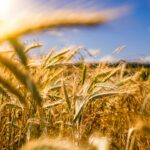
Grains like barley, wheat, corn, and oats are in more foods than you might realize:
- Your toast in the morning
- The flour in baked goods
- The coating on frozen foods
- The pasta on your dinner plate
Because grains are such a daily dietary staple, the quality and safety of those grains directly affect your health. If you’re committed to eating clean and responsibly, switching to organic grains is essential.
🚫 What’s in Non-Organic Grains?
Conventional grains are often grown with:
- Synthetic pesticides and herbicides (like glyphosate)
- Chemical fertilizers that deplete soil health
- Genetically modified seeds (especially for corn and wheat)
- Post-harvest chemical treatments to prevent spoilage during long storage
These practices may boost industrial efficiency — but at a serious cost to your health, environment, and the integrity of your food.
🌱 Why Organic Grains Are Better for You
When you choose organic grains, you’re choosing:
- No synthetic pesticides or GMOs
- More nutrient-rich soil, leading to better food quality
- Cleaner, safer grains with lower chemical residue
- Better taste and texture, especially in minimally processed flours and cereals
Plus, organic grains are often stone-ground or less refined, meaning they retain more fiber, vitamins, and minerals.
🧬 The Glyphosate Problem
One growing concern is the presence of glyphosate, a widely used herbicide found in many non-organic grain products. Traces of it have been detected in:
- Breakfast cereals
- Crackers
- Baking flours
Some studies suggest long-term exposure to glyphosate may carry health risks — making organic grains a safer choice, especially for children and people with sensitivities.
🌍 Environmental Benefits of Organic Grain Farming
Organic farming isn’t just about personal health — it’s also about planetary health.
When you buy organic grains, you’re supporting:
- Soil regeneration and long-term fertility
- Biodiversity and pollinator protection
- Reduced water contamination
- Climate-resilient farming methods
This is farming that works with nature — not against it.
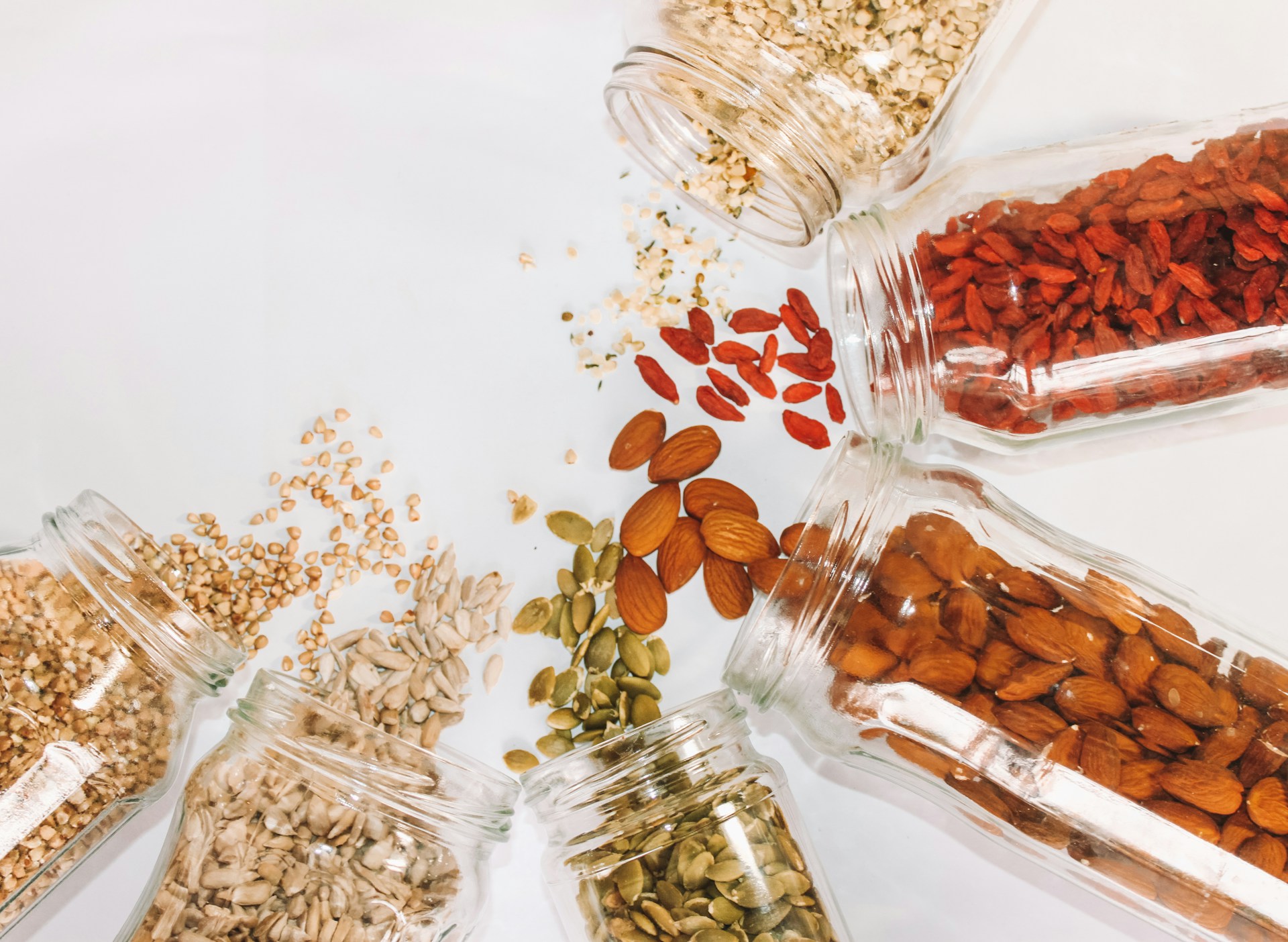
🥣 Your Pantry Deserves Better
You may already shop organic in the produce aisle — but your pantry needs attention too. Here’s where to start:
- Barley Powder: Boosts nutrition in smoothies or baking, supports digestion
- Corn Grits: Organic versions are GMO-free and richer in natural flavor
- Whole Wheat Flour: Retains bran and germ for fiber, minerals, and taste
- Oats: Organic oats are less likely to contain glyphosate residue
- Brown Rice: Organic rice means cleaner grains with more nutrients
✅ Making the Switch: Simple Tips
- Buy from trusted organic brands or local organic farms
- Look for certified organic labels
- Store grains in airtight containers to maintain freshness
- Try buying in bulk to save money and reduce packaging waste
🧡 Conclusion: It’s Time to Look Beyond the Produce Aisle
The organic movement is about more than apples and carrots. It’s about rethinking everything we eat — including the ingredients we take for granted.
By choosing organic grains, you’re fueling your body with clean, nutritious food, supporting sustainable farming, and helping create a healthier food system for everyone.
So the next time you reach for a bag of flour, oats, or cornmeal — make it organic.
Because your pantry deserves the same care as your produce drawer.